“Whatever happens…love that” is a beautiful mantra I borrowed from author, Maddie Dawson. As someone who has suffered through chronic pain and illness the majority of my adult life, I found myself wanting a more constructive way to think about my health (or lack thereof); and for whatever reason, this quote resonated with me and provided some much needed perspective.
16 years, 4 months, and 19 days…that’s how long it took to finally get a real root cause diagnosis – multiple tick-borne disease, including chronic Lyme Disease and Rocky Mountain Spotted Fever. Yes, I remember the tick that bit me roughly 35 years ago and I’m ready to share my story. In the coming days, weeks, and months, I will describe how my illness started, how many doctors and specialists I visited, the multiple conditions/diseases I was diagnosed with, the debilitating symptoms I’ve experienced, and how I finally fought for the correct testing for something I suspected for quite some time. That was my Journey 1.0.
Hopefully, my healing starts today, and I will share that story and struggle as well…not for sympathy or attention, but because I hope that no one has to go through the misery and hopelessness I have faced for almost 2 decades. This will be my Journey 2.0.
…but never thought my first time would be for a doctor’s appointment.
Oh, where to start? I have every intention of keeping up on this blog, but as always, the craziness of life seems to get in the way. In any case, a lot has happened in recent months and I thought it was a good time to share. If you’ve been reading my blog, you remember that at the beginning of this year, I started my first Lyme Disease protocol. Around the time I was diagnosed with several tick-borne diseases (including Lyme and Rocky Mountain Spotted Fever), I also discovered I had dysautonomia, hyperadrenergic postural orthostatic tachycardia syndrome (hyper POTS), mast cell activation syndrome (MCAS), possible chronic regional pain syndrome (CRPS), and many other more “minor” issues (relatively speaking, of course). Is your head spinning after reading the terms above? Mine is. I had never heard of any of these things until the last year or so and I’m still trying to get my head wrapped around it all. As mentioned in previous posts, the protocol I started earlier this year was intense – around 200 pills/tinctures/powders/etc. per day, at an insane out-of-pocket cost. I was on high doses of the antibiotic doxycycline, and later added azithromycin, which at those doses and for that amount of time, are hard on anyone’s body. However, when you have been sick most of your adult life, you will try just about anything in an attempt to get better.
When starting the protocol, I also went on an incredibly strict low-histamine diet for 100 days (which my wonderful hubby followed with me). This was to see if it would help the MCAS. I have been on many restrictive diets over the past 2 decades, but this was by far the hardest. Truly, the most severe low histamine diet you can go on is to eat nothing but chicken and rice. And what I found is that no matter how many different websites I looked at to define what this diet should look like, they were ALL different. It was so confusing, and took a bit of trial and error. The common thread was to eat only super fresh organic grass-fed meats, some veggies (and for the ones you can eat, only organic and freshly cooked), no fermented foods, no balsamics or spices, no left-over foods, no spicy foods (my favorite!), nothing cured or aged, no seafood, no alcohol, no dairy, no sugar, no black pepper, no nightshades, etc. The list goes on and on, but bottom line, we were pretty much eating plain chicken, rice, sweet potatoes, and kale for 100 days.
As someone who is a food fanatic, and owns a gourmet food company, this was about as torturous as it gets. Somehow, we made it through. But honestly, I didn’t feel any better. The only thing I noticed is that my neck flushing (part of the MCAS) improved ever so slightly. As positive as I was trying to be, I had a strong inclination that this diet change wouldn’t do much to help my symptoms. A few years back, I asked my then pain specialist if I should do more with my diet than be gluten and soy free (which I have been for over 8 years), and her answer was basically…”Lisa, given how sick you are, those changes just aren’t going to make a significant enough difference to make it worth it”. I gave it the old college try anyway, but slowly started introducing things back into my diet, and I agree, I’m not sure it made any difference. If I was certain that giving up the food I love, for let’s say a year, would make me feel even 50% better, I would do it in a heartbeat. However, I have been told too many times that my body is so severely impacted by these diseases/syndromes/conditions, that food just isn’t the magic bullet. We already eat mostly organic, non-processed, whole foods; and given my love of food, cooking, entertaining, etc., I know I need some “food-joy” in my life.
After five months of the protocol, it was coming upon the summer arts & crafts “show” season for my food business. Knowing how incredibly nauseous and weak the medicines and supplements were making me, I knew I had to take a break from the meds mid-June through at least the first part of August. How frustrating to finally work up to 7 doxycycline (never made it to the prescribed 8) and 2 azithromycin daily, with over 100 other supplements and prescriptions, only to have to quit cold turkey with no marked improvement in any of my symptoms.
Thankfully, my incredible husband (Joel), cousin (Matt), and cousin’s son (Benn) did so much to help get things ready for the shows (loading in and out, and helping to sell the pants off our products), I couldn’t have done any of it without them! I still went to the shows every day, although not always for the entire day. It was hard keeping my erratic blood pressure in check with all the energy I was expending (darn POTS!). For example, one of the days after our show was over, my blood pressure was 226/131. And like always, it went right back down once I laid flat for an hour or so. It’s unbelievably frustrating and life-altering to constantly worry about how standing, talking, or doing just about anything active can have such scary and severe consequences.
After going off the 5+ months of my protocol, I was feeling closer to how I felt prior to treatment – not great, but not nearly as nauseous and weak. I felt more like my previous sick self vs. my new “treated” sick self. However, a brand-new symptom started late spring and has been one of the most painful yet. It was the last week of May when I started noticing that if I brushed the top of my hands against anything, they felt almost raw to the touch. There really weren’t any other symptoms at that point, so I merely thought it was some weird fluke. Let’s face it, my body has a new fluke just about every day. What’s new?
The slight tingling progressed to a more uncomfortable feeling whenever I would accidentally brush them against something rough. It had been weeks and it still felt like the worst sunburn I ever had, yet at that point, there was no redness. By the time mid-June rolled around, and we were at our first show in Edmonds, my hands had turned a deep purplish-red and felt as if someone was holding a lit match to the top of them. Both the Saturday and Sunday evenings after our shows that weekend, it took all I could not to go to the ER. The pain was excruciating. I was in tears (which is not a common occurrence for me). I tried every topical ointment that I could get my hands on (CBD, prescription ointment, over-the-counter salves, etc.), but nothing seemed to help. This went on for months and has still not healed. At this point, my hands usually only get red in the evenings, but anything touching them still causes pain…even when my adorable 8-pound Chug (Chihuahua-Pug mix), Abbey, licks my hands out of love. This is what led my internist to suspect possible CRPS, which incidentally, is considered the most painful disease/condition in the world. Sigh…
Once our summer shows were over, it was time for me to meet with my Lyme doctor and find out what I should try next. Here’s where I got the news I wasn’t expecting. My Lyme doctor is considered one of the best (if not the best) in the Pacific Northwest, and I truly believe she cares about my situation very much. During our phone appointment in August, she more or less said that she didn’t feel that she could continue to help me. She said that about 10 percent of her patients had progressed to a point where they needed more treatment than she could administer. I commend her for having the wherewithal to know the limits of the protocol she prescribes, but at the same time, I was scared and felt even more alone. I had been turned down by so many other doctors, and even had Mayo tell me I was too complicated of a case. What now?
This is how I found myself in Washington DC this past week. When my doctor said she could no longer help me, she referred me to a doctor in Washington DC. Interesting that I’ve always wanted to travel there, but never thought it would be to see a doctor. There is a Lyme clinic there that is apparently world-renowned, with about 10-12 doctors, and a board-certified Lyme MD running the show (board certified MDs that focus on Lyme are a rarity because of the controversy surrounding the disease). It was a big decision to travel this far, but being at a cross-roads once again, I didn’t really feel I had a choice. When I asked my doctor what she thought would happen if I just stopped trying to treat altogether, her answer was that I would be permanently disabled within the next 10 years. So, we packed up our bags, gathered up all my medical documentation, filled out a 31 page new patient intake form, and headed out on last Monday for the big trip.
While Washington state really isn’t that far from Washington DC by plane, when you haven’t flown in over 2 years, it’s kind of a big deal. With my erratic blood pressure problems and frequent shortness of breath, as well as knowing how painful flying is for me, I’m not gonna lie…I had some anxiety going into this flight. My doctor helped me secure portable oxygen tanks for the plane, as well as make sure we had a plan to make it as comfortable as possible. The flight on Monday was ok (way better than the one home), but the pain that hits me the day(s) after flying makes the whole process grueling.
After relaxing in bed on Tuesday, I was as ready as I could be for my appointment. What should I expect from a 3-hour deep dive into my complete medical history? Were they going to think it was all in my head (like so many other doctors had) or were they going to really listen and come up with a new protocol that would give me a fighting chance? Thankfully, not only did they listen intently, they reiterated what my current Lyme doctor in Seattle has said over and over again – “You are extremely sick, we don’t know how you are still functioning, how are you not depressed, and without more rest/sleep, you will never get better.” I can’t reiterate how many times this doctor in DC told me that I need to regulate/modulate work and cannot continue to push myself this hard…as I sat there and and thought to myself that it’s nearly impossible to slow down with my growing business. And the tough part is that I don’t want to slow down!
While she agreed my Type A personality traits have helped me get through my condition thus far, I’m not going to get better if I don’t figure out work-life balance. Oh, the irony! When I left my corporate job almost 2 years ago, my whole goal was to have balance (i.e. no work): however, instead of taking a couple of years off as planned, I bought a company that is growing at a rapid rate. I love it! I love my work! I love what we do! It’s my dream job! And after over 20 years in the corporate world, I have something that brings me so much joy. Yet, it is hindering my progress according to my 2 doctors in Seattle, and my new ones in DC.
Back to the appointment, where I had an a-ha moment right at the start. I have always suspected that the Cephalexin I took in 2002, just a couple of days before all of this started, was the reason I first became ill. I figured that it triggered something in my body, but never had a clue what that something could be. The doctor said it was probably my very first herx (Herxheimer Reaction). Finally! Something that made sense to explain why this hit me like a ton of bricks at age 26! Cephalexin is in the same class of drugs as other meds used to treat Lyme Disease. If the antibiotics kill the Lyme faster than your body can rid itself of the toxins, it can cause a herx reaction, which can throw a person off for days, weeks, or more. It is entirely possible that the very short dose of Cephalexin that I was on back in 2002, was in fact my first unintentional treatment against the Lyme. Unfortunately, no one figured that out at the time.
After that a-ha moment, an hour-plus of detailed questioning, and then a physical exam, there were several issues that came out as my highest priorities to focus on first.
My pain (nerve, muscular, joint, regional “don’t touch me pain”, etc.),
Lack of restorative sleep (for years),
Severe dysautonomia/POTS (total lack of a working central nervous system),
MCAS (which causes a histamine response to anything and everything),
Intense skin and overall body sensitivity,
Total numbness on the top of my feet,
Abnormal reflexes,
Extremely mottled skin (my face is olive toned, but legs and arms are pink, blue, and purple),
Reynaud’s syndrome (fingers that burn, tingle, and turn blue/white when cold),
Lack of ability to digest food,
Swollen and cherry-red joints,
Unbearable back pain with no structural issues (due to Lyme settling there)
and much more…
After spending a couple of hours with the doctor that was assigned to me, she brought in the primary doctor (and namesake of the clinic), who was originally a very well-known HIV doctor back in the day, but shifted his focus to Lyme when the epidemic began to surface years ago. I pretty much expected him to come introduce himself, say “yep, you are pretty sick”, and go on his merry way. However, he spent time asking me questions and did an examination as well. He also brought up an entirely new condition that I should be tested for – because of my erratic blood pressure and constant nasal drainage/sinus issues, he expressed concern that I may have Cerebral Spinal Fluid Leakage. The kicker? There are only a few places in the US that are able to test for this – Duke, John Hopkins, and Cedar Sinai being the most well-known. This means Cedar Sinai…here we come! Not sure what this will entail, but I’m pretty sure it will include a spinal tap, which does not sound fun at all.
As I was getting ready to schedule my next appointment, the doctor who performed my entire examination said that because I am such a complicated case, they decided I should be seeing the primary doctor (and founder/owner of the clinic) going forward. In part, this is a good thing, but it also scares me to think I’ve already graduated to the “big guns. He said if Plan A doesn’t work, we will go to Plan B, Plan C, and so on…i.e. a long road ahead, on top of what has already been almost 2 decades.
At the conclusion of my visit, the doctors reiterated that I’m too sick to start a new protocol. Not surprising. My internist has been saying this for months. Basically, until my sleep and pain are under better control, not only is there no use starting the protocol, I probably wouldn’t be able to bear it. My guess? 4-6 months of trying to get my body to a state where it can take the treatment. The hard part? They want me in DC every 5-6 weeks for the next 1-2 years (or how ever long it takes to be treated). I naively thought I could have my PICC line (IV antibiotics) administered in Seattle, but nope – it has to be at the DC clinic so they can monitor my progress and reactions to the medication changes. Since flying causes more pain and heart racing/high blood pressure, this wasn’t great news? I don’t know if Joel will be able to go with me every time, but I can’t imagine doing this alone.
Despite how I’m feeling about everything right now, I would like to end on a good note. If there is one thing I have learned throughout this whole experience…I’m not alone. If anything good has come out of this, I have seen a tremendous outpouring of love, support, and prayers from friends and family alike. I’ve never been one to ask for help, but just the simple acts of kindness I’ve received, such as bringing me supportive books to read, spiritual and uplifting conversations about life, spending Tuesday evenings with two of my favorite gals, loved ones starting prayer circles for me, people bringing me flowers, friends allowing me the option of 2AM calls and coming all the way to Whidbey to visit me, neighbors helping with the dogs/mail/coffee deliveries, my right-hand man picking up extra stuff at work, and family sending guardian angels my way has been more than I could ever ask for.
My next appt. is a follow up phone call in January to review blood test results and whether any of the new medicines (no antibiotics yet) are doing anything to help sleep and pain. Fingers crossed. Until next time…
Best laid plans…a phrase I feel myself saying over and over again…a phrase that sums up my complete and total lack of accomplishment in so many areas of my life right now. I am supposed to be much further along in relaunching the gourmet food business I bought last year. I’m supposed to be further into my treatment for Lyme Disease (and the other fun illnesses that go along with it). I knew that traveling to San Francisco in January would be worth it (I mean, how can you pass up The Fancy Food Show!), but also set me back. I may have underestimated just quite how much. While technically, the trip was only nine days, the added prep I needed before the trip, along with the downtime needed afterwards, pretty much wiped the first month of 2019 off the calendar.
Then the short month of February came (and went), and despite working late into the night on several occasions, it took me much longer to finish the company’s new website than I had hoped. Relaunching and expanding a company while coming to terms with a newly diagnosed chronic illness is a lot for anyone to handle, but being textbook Type A makes it just that much more of a challenge. I’ve mentioned that I am a Virgo to a “T” and a perfectionist to a fault, so my idea of “good enough” usually means I have overthought, over-researched, and at times, over-engineered whatever it is that I am working on. I know I need to better prioritize where to spend the little energy I have, but I also know that without the mental stimulation of work, I would have already gone stir-crazy with boredom. I’m definitely still in the learning stage here. How do you divvy it all out? How do you prioritize what you have to do to stay financially sound and mentally challenged, while at the same time mending your broken body?
On top of all this, I have completely shirked my duties as a new blogger. While I certainly recognize this is not my number one priority, I made a commitment to keep up on this blog and gosh darn it, I want to honor that commitment, if for no other reason than the purely selfish fact that writing is actually very therapeutic for me. Granted, I always thought I would hone my writing skills on a food blog, but again…best laid plans. Someday.
And lastly, I had every intention of completing Parts 2 and 3 of my “new normal” portion of this story weeks ago, primarily to explain how my multiple tick-borne diseases, coinfections, and related illnesses manifested themselves over time. It was my plan to write Part 2 as my next blog. However, once I started my first treatment protocol on February 1st, it seemed that all of my grand plans for life in general pretty much went out the window. I’m quickly realizing that it doesn’t matter what I have planned, ultimately, this disease plans it for me. So instead of writing Part 2 this time around, I thought I would chat a little about how this first Lyme Disease Protocol is going.
Today is day 100. I can’t believe I started treatment 100 days ago. If you want to really experience how fast time flies, start a daily journal. Every day, I write down how many days into treatment I am, what meds I took, my pain and weakness levels, what I ate, and other details about how I am feeling. I can’t believe it’s been 100 days.
Unfortunately, there is no one-size-fits-all version of treating Chronic Lyme Disease and its coinfections, and everyone’s experience is different. This is part of the reason these tick-borne diseases are so complicated to treat, as there is no silver bullet. I would go as far as to say there may not be two people in the world who have followed the exact same treatment protocol and have had the exact same results. So, knowing where to start, how you should feel, or where to go next is pretty much impossible. What I do know is that I’m not a doctor, I am not giving medical advice, I don’t pretend to know what is best for anyone (even myself), and this blog is merely to share my personal experience through this deeply personal journey. Ok, now that the legalese is out of the way…
You may be wondering why I go out of my way to constantly use the phrase treatment “protocol”, instead of “treatment”. The word treatment alone does not explain how one fights this disease. The word treatment has a certain connotation. It implies that there is one magic pill, surgery, procedure, medicine, etc. that treats a condition or disease. However, with Lyme, unless you know you were bitten by a tick and/or notice a bulls-eye rash, find a doctor who will test you and/or the tick, find a doctor that will make a clinical diagnosis even if you don’t test positive or have the rash (all with in the first few weeks of infection), and you take a round of antibiotics, and those antibiotics work, and your spirochetes (Lyme bacteria) don’t come back out of hiding and replicate after that early treatment, and…and…and… Unless you are lucky enough to have all the stars align, there is no single treatment for what these tick-borne diseases do to your body once they are too late to eradicate with just a quick course of Doxycycline.
This is why you hear Chronic Lyme patients talk about treatment protocols, which are basically a grouping of prescription medicines (typically antibiotics, anti-fungals, and anti-parasitics), herbal treatments, homeopathics, medical procedures, and more. These protocols attempt to coax the bacteria out of hiding, kill the bacteria where possible, repair the body’s immune system so that it can help kill more of the bacteria, manage the sometimes debilitating Herxheimer reactions (or herxing), and hopefully, eventually make the patient feel a little better; or at the very least, slow the internal damage these bacteria have unleashed on your body. I have no idea how many treatment protocols there are, but it seems that every book or article I read, documentary I watch, or person I speak with, talks about the host of different protocols they have tried, most of which don’t ultimately work. At best they place a person in some sort of remission for a few months, or years, if you are really lucky. And equally as frustrating, the protocols themselves last from several months to several years, meaning you don’t know if any of it is helping for several months to several years. The common thread… patience, patience, patience.
So , with the legalese and boring definition of “protocol” out of the way (thanks for sticking with me!), let’s get to the meat of this story. I think in some ways, my first 3+ months have been exactly what I expected, while at the same time, nothing like I expected all wrapped up into one (clear as mud, right?). I knew it would be hard, I knew I would feel like crap, I knew I would spend a lot of time in bed, and spend a lot of money; and sadly, I also knew I wouldn’t start feeling better any time soon. At least that’s what all the blogs, books, and online groups had to say. All in all, that is a pretty accurate high level summary. However, it’s harder to find descriptive accounts of the day-to-day, not so significant, but oh-so-debilitating symptoms that constantly come and go without warning. Or, the outrageous number of supplements and pills you actually are supposed to take. Or the toll that the enormity of it all takes on your mental health, no matter how positive and happy you are as a person. Or the insane diet regimens you are supposed to follow. Or the very difficult job of explaining any of this to anyone before you have bored them to tears. Or…the numerous other things you find out are wrong with you along the way. Bottom line, Lyme disease and its coinfections wreak absolute havoc on every part of your body, and every aspect of your life as you knew it.
I feel like a yo-yo. I have worked my way up to 75% of one antibiotic and 50% of the other, but because of how harsh these medicines are on your stomach, there’s a constant battle to determine how many I can handle on a day-to-day basis. I was surprised that the very first side effects I experienced from the antibiotics ended up being a worsening of the symptoms I experienced during my first flare in 2002, i.e. heavy and weak limbs, severe leg pain, extreme dizziness and brain fog, shortness of breath/air hunger making it hard to carry on a conversation, and barely having the strength to simply walk across a room. Upon the addition of another medication about a week after starting the doxy, I noticed my shoulders stiffened, arms weakened, and fingers curled to the point that I couldn’t pick anything up. I can only sum up that overall experience as feeling like I had partial paralysis of my right arm/hand. Needless to say, I stopped that medication immediately!
Most other symptoms have just been the usual, but on steroids…teeth that hurt so bad you can’t chew anything, skin so sensitive I cringe with the softest touch (or shower), night sweats that soak the bed, and chills that leave me shivering with my down comforter, a quilt, and my new weighted blanket (which I LOVE!). The one symptom that has surprised me the most is the severe nausea that comes and goes in waves, but knocks me off my feet when it’s at its worst. And then there are the neurological symptoms, and these are the hardest to explain. Ever since my illness started, I have been extremely sensitive to light and sound. This sensitivity is now on steroids. I feel like I have an antennae attached to me, as the electrical currents send buzzing, talking, and musical sounds to my ears. While I used to find it hard to walk into a big box store because of the fluorescents, now just about any bright lights bring on instant vertigo.
While I am very used to not knowing how I am going to feel from day-to-day, I think the ups and downs are much more pronounced than I’m used to. There have been a handful of days along the way that I’ve had a hint of less pain, and I think hey, maybe I’m already responding well to this very early stage of treatment. Then I realize I should have known better. The severe nausea reappears (even on prescription anti-nausea/vomiting meds), the excruciating pain rears its ugly head, the brain fog gets in the way of simple conversations, or I am so lethargic that I can barely keep my eyes open.
It’s not unusual for me to be in severe pain, and it’s not unusual for me to be bedridden for days at a time. I have been more open about this in recent years, and I often get the question, “What kind of pain do you have?”. The hard part about this question is that it changes from day to day, body part to body part, internal to external, and so on. So, I thought it might be helpful to give a couple of examples. First, imagine laying in bed and the nerve endings on the back half of your body feel like they are all on fire, then imagine that your bones ache to the core (like the very worst flu you could ever conjure up in your head), then sharp spikes are being driven into points of your calves and thighs at random locations and intervals. On these days, I typically spend my day in the fetal position in bed, pain meds not doing a gosh darn thing. Or, like the other night, I woke up screaming (scaring the crap out of my husband) because I couldn’t straighten my left leg due to the sharp stabbing pain. Or, like the last three days, my lower back and hips have felt like someone punched me all over, to the point that Joel even noticed the swelling in that area as he so kindly massaged my back. So, when these things happen, I play the usual game of trying to figure out what I did the day or two before that may have caused this particular day’s horribleness. It doesn’t take much; just a drive into the city for a doctor’s appt., or an especially long work day, or spending just a little too much time in the kitchen, or even trying a new stretch that should have brought relief instead. I stopped trying to connect cause and effect years ago, because it seemed to be a useless endeavor. Who the heck knows why one day is bad, but the next day is horrible! And trying to constantly tie these things together can drive a person mad. It’s a giant puzzle where the pieces just never fit.
While not physically painful, managing the actual medications for this disease is nearly impossible. In fact, I would love to see if there is anyone out there that has actually done it successfully. Despite the daily brain fog, I consider myself a fairly competent person, but oh my gosh – the medications! So many of them are to be taken 2 hours before eating, or 4-6 hours after you take this other med, or 30 minutes after eating, or only with food. I think you get the drift. I don’t believe there are enough hours in the day to actually make the perfect pill schedule work. With the help of my husband, I took on the daunting task over the past several weeks of creating a spreadsheet (nerd alert!) to track all of the medications I am supposed to be taking as part of this protocol, including what they are for, cost, dosing info, side-effects, drug-interactions, etc.
This is mind blowing. I don’t even know if you will believe me. I tallied the score…drum roll, please…as part of my current protocol (which includes a few medications and supplements that I was on prior to this particular diagnosis), between the pills, tinctures, powders, droppers, liquids, etc., I am supposed to be ingesting 213 doses of these items per day. Yes, 200+ pills per day, at a cost of $122 per day. Yes, $122 per day. So, before any doctor visit costs, procedures, tests, or other treatments, this is an out of pocket cost of close to $45,000 annually. I don’t mean to overshare the financials, but people need to know that this is a disease affecting a minimum of 300k-400k people per year just in the US, and for those that aren’t treated and cured immediately, this is the cost of their future.
And then there is the isolation. Thankfully, I have a beautiful view out my window and I love my home. That’s a good thing, especially considering I have only left my house a handful of times in the last several months. Thankfully, I have some pretty amazing friends and family that have come out to visit and stay the night when Joel is out of town. Thankfully, I have a business I am passionate about and more work than I can handle, which keeps my mind occupied. My doctor told me this week that it’s in my best interest to stay away from the general public, because, in her words “If you get sick, you’re done.” For a very social person, that’s a hard one to swallow, but thankfully, there are people around me offering incredible support.
It bothers me that I have become such a complainer. When people used to ask me “How are you feeling?”, I would always just say “fine”, “good”, or even “hanging in there”. However, now that people know about this disease, I find myself giving more details and probably oversharing (case in point…this blog). However, I really want people to understand that invisible illness is not only devastating to one’s health, but also their person and their pride, their livelihood, their feeling of contribution, their feeling of what they bring to the table. Your health can be taken away in an instant, in a way that is so totally out of your control. And no matter how badly you want to do the same things, live the same life, get back to who you were, it may not be that easy, or even possible. After being told that it will take 3-5 years to get this under control, after reading about so many people who have attempted unsuccessful experimental treatments all over the world, and after hearing so many first-hand accounts of people giving up their Lyme protocols altogether, it makes it that much harder to see any light at the end of the tunnel. Patience, patience, patience…
By the end of August 2002, about one month after my non-stop vertigo and vision problems began, it seemed I had somehow opened a Pandora’s Box of new symptoms. I continued to stumble my way through work, feeling like I was in a dream; or more accurately, a nightmare, as I struggled to make it through each passing day. Who was this person?
It was at this time that the infamous brain fog of so many autoimmune and chronic diseases began, and I started to feel disembodied from my physical self. This is such a hard thing to put into words, but in recent months, I have been introduced to the idea of depersonalization, which seems to partially explain this phenomenon. Imagine your emotional/spiritual-self feeling like it exists outside your physical being, almost like you are constantly looking down at your body through a cloudy window, watching it go through the motions, but feeling very detached from each experience. It is said this might help someone in constant pain (or other traumatic situation) compartmentalize their physical body’s suffering from their mental state as a coping mechanism. I’m not really sure. All I know is that over time, I have felt more and more like this entire journey has been an out of body experience and sometimes it’s hard to believe it’s real.
As I slowly begin my first treatment protocol for Lyme Disease, Rocky Mountain Spotted Fever, coinfections, and related conditions, I’m ready to share more intimate details of the days, weeks, months, and years that led me to this point. Although I fully admit I wasn’t the greatest advocate for my health at age 26, at least I kept a fairly detailed account of how this illness progressed. Since starting this blog, I have wondered how to best explain the tidal wave of strange symptoms that commenced in those first few weeks, as well as the slower roll of new and worsening issues over time. I want to balance sharing enough details to help those in a similar situation, while not putting the rest of you to sleep. So, I’m breaking up the info into three parts. Part 1 (this post) will explain the initial few weeks when my symptoms surfaced with no plausible explanation. Part 2 will describe the strange manifestations of my condition that occurred over the next several years. And finally, in Part 3, I will describe the relatively rapid decline that began in late 2017, prompting me to ramp-up my search for answers.
Part 1: Back to 2002. The vertigo remained severe enough that I was unable to operate “heavy machinery”, or watch TV, for about 6 months. Thankfully, Joel and I worked for the same company at the time, so I had a carpool buddy. I definitely had taken driving for granted prior to the nonstop spinning, and come to think of it, I had taken a lot for granted prior to getting sick. We often hear that you don’t know what you’ve got ‘til it’s gone, and I can say with the utmost conviction that you really don’t know how important your health is until it’s gone.
At about the one-month mark, a myriad of other symptoms started, most noticeably in the form of pain. On August 26th, I noticed muscle weakness and pain in my legs and lower back that, upon standing or walking, made me feel like I was going to collapse. Within a couple of days, the right side of my face and right arm began to tingle and felt numb, so, I took another week off work. As someone that lives with a great deal of guilt (Catholic guilt, to be exact), it was incredibly difficult for me to ask for this time off, even though deep down I was seriously worried I was dying. How silly are the priorities that we place on the various parts of our lives, yet even knowing what I know today, I still would have a hard time asking for that week off work.
On August 30th, the day Joel and I planned to head to Whistler for our annual birthday trip, I started noticing that I was very short of breath and my chest and throat felt tight. I was determined not to ruin our weekend and tried so hard to take a “mind over matter” approach; however, I still remember that fear I felt while sitting in the long US-Canadian border wait, taking shallow breaths, worrying that the further north we drove, the further I was from our local ER. By the time we checked into our hotel, I was so weak I could barely walk across the room. With every step, I felt like I would fall. Although I stayed in bed most of the next day, I mustered up the energy to venture out for an early dinner. Despite my efforts, we ended up driving home the next day and headed directly to the ER, again.
Although I was having issues with my legs, lower back, equilibrium, and breathing, I actually went to the ER because I began having chest pains. They performed an EKG and chest x-rays, and not surprisingly, my results came back normal. While these tests didn’t provide any significant answers, it was that day that I received a second diagnosis (vertigo being the first). The doctor told me I had something called costochondritis, or inflammation of the chest wall. Typically, this is a condition that resolves itself in a few days or weeks. However, almost 17 years later, I still can’t bear anyone touching my upper chest, and even the pressure of my car’s seatbelt is incredibly uncomfortable. That night, they sent me home with some pain meds and told me to rest.
By September 11th, I felt well enough to head back to work. I was still weak, but slightly less dizzy and my breathing issues had improved. Unfortunately, the tingling and numbness on the right side of my face and arms started up again, so my PCP suggested I go back to the neurologist for a brain MRI. Even though my MRI was considered normal, this was when the topic of Multiple Sclerosis first surfaced and would be a constant question over the entire course of my illness. Even so, my neurologist ended up chalking all of this up to “stress”, a theme I would hear time and time again over the next several years.
My Primary Care Physician (PCP) suggested I see an Infectious Disease (ID) doctor, which theoretically, should have been the answer to my prayers. Not unlike the ID doctor I saw at UWMC in 2018, the ID doctor in 2002 ran tests for HIV, Syphilis, Lyme, Rheumatoid Arthritis, muscle enzymes, etc. However, unlike my ID doctor at UWMC, I believe this doctor was truly trying to get some answers and treated my concerns with respect. But alas, all the tests came back negative. I know now that most west coast doctors don’t pay much attention to Lyme Disease (even today), so I’m sure it was barely a blip on the testing radar. I had no idea that 56% of patients tested negative using the two-tiered testing system in place, and at that time, I had never heard of, IGeneX, the go-to lab for tick-borne testing today. In retrospect, I’m not sure what I could have done differently, but it’s hard not to cringe at the fact I was tested for Lyme right away, and they didn’t catch it. Eventually, I want to share a lot more about why the current CDC-sanctioned Lyme tests are not up to snuff, but I will save that for another day.
By this time, my frustration was growing and I was not getting any answers from the western medical world, so I made an appointment with a Naturopath for September 25th. Upon examination, her immediate hypothesis was that the antibiotic, Cephalexin, that I had taken just a couple of days before the start of my vertigo, may have triggered some sort of illness in my body. In her opinion, due to my medical history of asthma, IBS, and several cases of bronchitis as a child, my liver had hit its limit for toxins. In other words, my liver could no longer process toxins that entered my body. So, she asked that I try fragrance-free products, start on a dairy and wheat free diet, and come back in a few weeks.
I revisited my Naturopath on October 9th, with no improvement of my symptoms. Upon physical exam, she found inflammation in my left ear and swollen tonsils. With this new information, she surmised I had an ear infection and that my tonsils were chronically inflamed. She prescribed Amoxicillin and suggested I see a cardiologist and ENT. Looking back, it was probably my naturopath that was closest to diagnosing an initial root cause. She knew there was infection and inflammation, which are the two main issues I continue to fight today.
After some of my breathing problems and chest pains had started to improve over the next couple of weeks, I was cautiously optimistic that I was starting to kick this thing; however, by the end of September all of my previous symptoms came crashing back. Not wanting to take any chances with my heart, I scheduled an echocardiogram for October 16th. I remember that test quite vividly, as it was one of the most painful moments of my life. Because of my overly sensitive chest that even clothes tend to bother, having a doctor push their ultrasound “stick’ into your chest wall with all of their might was more than I could endure. I couldn’t decide if I wanted to throw up or cry because of the pain. This is not a painful procedure for a “normal person”, but it was one I never wanted to repeat! After all that, the only thing they found was a heart murmur, which I already knew I had.
The one area I still hadn’t really addressed was my strange vision problems I experienced with the vertigo. I was noticing pain around my eyes, blurred vision, and dark spots, so I went to an ophthalmologist. His post-examination comments were the most peculiar to that point, as he said my vision was just fine; and then added that “some of my test results were strange”. He didn’t elaborate, said I didn’t need glasses, and sent me on my way. That day, I walked out of one more doctor’s office more confused than when I arrived.
Over the next several months, I started to slowly feel better, although never 100% again. This played a cruel game in my head, and on my body. On the days that I felt slightly myself again, I would second guess the severity of my symptoms and push myself to what used to be my normal daily activities. Then I would pay dearly for exerting that additional energy and would spend several days recuperating, until once again, I would start the vicious cycle over again. This was the beginning of my “new normal”. I didn’t realize until several years later that 2002 marked my first significant flare of an illness that would never leave me, and would continue to flare at an increasingly rapid rate over the years ahead. I didn’t realize that I was actually lucky back then, because I was experiencing flares with the most severe symptoms over a period of several weeks or months, with some time in between that was slightly better. Little did I know that these were the good ole’ days, before the every-minute-of-every-day full blown attack on my body.
The next major flare was in early 2006, and thus begins Part 2…
Consider this… Lyme Disease is growing at a rate six times that of HIV and almost twice as fast as breast cancer, at a rate of 400,000 per year in the US alone, and as far as the world goes, over 1 million just in Eastern Europe. These numbers do not include the various co-infections that many people with Lyme Disease also have (I have a total of 5 separate tick-borne infections). While I am in no way minimizing the severity of other serious health conditions, it’s important to note that our National Institute of Health and Center for Disease Control spends a combined $67,625 for each new case of AIDS/HIV, but only $125 for each new case of Lyme.
To add to the frustration, the CDC continues to paint the incomplete picture that “most cases of Lyme disease can be treated successfully with a few weeks of antibiotics”. This statement implies and assumes that a person knows they were infected by a tick and receives the right course of treatment within a fairly short window of time. While the CDC website mentions that a handful of people may come back with non-specific symptoms, referred to as post-treatment Lyme disease syndrome (PTLDS), they do not condone or support the use of the term “Chronic Lyme Disease”.
So, my question to the CDC is this. What about the people who test positive for Lyme Disease now, but were never tested or treated when originally infected several years ago? I was bitten by a tick as a child, exhibited many of the childhood Lyme symptoms, have been seriously ill since 2002, fought for years for the more accurate (non-CDC sanctioned) Lyme testing, and finally received a diagnosis in December 2018. Because I wasn’t diagnosed and treated within the first few weeks/months as a child, I don’t fit into the definition of classic Lyme Disease or PTLDS. That’s like saying that if a cancer patient isn’t diagnosed and treated within the first few months of a growing tumor, they don’t have cancer. I’m still in the early stages of understanding the political motivations behind the extremely controversial diagnosis of Chronic Lyme Disease, but I will say this. Because my disease doesn’t exist, insurance is not obligated to cover.
To add to this disparity, the CDC’s two-tiered approach to Lyme testing often produces inaccurate results. The simplified explanation is this. Their tests only test for your immune system’s response to the Lyme bacteria, not the bacteria itself. So, if you are too newly infected and your body hasn’t started producing these antibodies, your test will probably come up negative. On the flip side, if you have had the Lyme bacteria in you for too long, it often has the ability to escape detection, having already wreaked so much havoc on your immune system, your body is too weak to mount a response. Additionally, there are over 100 species of Borellia (the bacteria that causes Lyme) and there are numerous tick-borne co-infections that aren’t being tested for at all.
To share a deeply personal perspective of trying to get tested for Lyme, it took me several months last year to get a referral into the University of Washington Medical Center’s (UWMC) Infectious Disease Department to specifically ask for Lyme Disease testing. This was after two other local infectious disease doctors were unwilling to take me as a patient when I told them I wanted to be tested for Lyme. They would have seen me if I was already diagnosed, but did not want to be responsible for the diagnosis. I had asked other doctors for this testing in the past, but due to the complexity of diagnosis, I hadn’t been able to find a doctor that could help. I was really hoping UWMC would have the answer I was looking for!
I could not believe the treatment I received at UWMC. The young female doctor immediately dismissed my questions about Lyme and assured me there was no such thing as Chronic Lyme Disease, which having done my homework and knowing the CDC’s stance, didn’t completely surprise me. But what did surprise me is that she didn’t want to talk about any of my over 100 symptoms that I handed her a copy of, a list that continues to grow more rapidly each year. Instead, the doctor asked about my support system at home and implied that my husband wasn’t providing enough understanding/attention, said I should see a psychiatrist and consider antidepressants, and suggested they test me for HIV, Hep-C, and Syphilis instead (what?!). When I asked why they were focusing on those diseases (which I told her I had been tested for as a precaution back in 2002), the doctor proceeded to tell me that I would be surprised at how many 80-year old ladies came in that had been shooting up or were promiscuous…even after I told her I had been happily married for 22 years! I was in shock, speechless, and so did not do a good job advocating for myself, but they at least appeased my insistence on running the first part of the two-tiered CDC-sanctioned Lyme test, which I already knew would be negative based on my suppressed and weakened immune system.
When all was said and done, the official doctor’s report on file at UWMC was that I came in for Chronic Fatigue (grossly incorrect), I should consider antidepressants, and surprise – I did not have HIV, Hep-C, or Syphilis. I was disheartened, humiliated, madder than heck, and felt defeated. I was at one of the top teaching hospitals in the US and they completely misrepresented the reason for my visit, and it was now on my permanent medical record.
It’s important to note that over 50% of patients with Lyme disease test negative with the CDC’s two-tiered approach, so patients suspecting Lyme are forced to seek out very hard to find LLMDs, or Lyme Literate Medical Doctors, in order to fight for alternative testing. And because these doctors are essentially going against conventional testing and treatment guidelines, most are not covered by insurance and several have actually faced disciplinary actions and/or lost their licenses to practice medicine altogether (if you haven’t watched Under Our Skin available on Amazon Prime Video, it’s eye-opening).
It took me years to find a doctor willing to write the “prescription” for the more comprehensive testing done by IGenX Labs in Palo Alto, as well as interpret the results, which are very complex. With the help of my amazing Internist and tenacious Lyme Literate Doctor, I was finally able to have this testing done (along with several other cutting-edge blood tests) in November 2018. I tested positive for five different tick-borne infections, including Lyme Disease and Rocky Mountain Spotted Fever.
That one IGenX test cost $2000, my two monthly doctors’ appointments are around $700/month, and my relatively non-aggressive first round of treatment protocol medications and supplements are over $2000/month. It will take many different protocols over the next several years to determine what (if any) works best for my particular combination of infections, as well as the damage these infections have already done to the rest of my body. This current plan is cheap in the world of chronic Lyme, where people are spending upwards of $50-$100k per year… Mortgaging their homes in hopes of someday getting better. Hoping that someday insurance will cover…
Never in my life have I felt so strongly about advocating for something. I’m unbelievably ticked off that I was not diagnosed sooner and hope to quickly turn a profit in my new business, so I can start donating something meaningful to this fight! I know there are so many wonderful doctors out there doing amazing things in the world of infectious disease medicine, and I’m hopeful that if enough people start telling their Lyme Disease (and co-infection) stories, organizations such as the CDC will not only listen, but change the current controversial dogma around a disease that is spreading at epidemic levels, and has already ruined so many lives.
I start my first protocol in two days and am scared to death. I’ve heard that the toxins released from the bacteria die-off do not leave the body quickly enough, causing an awful reaction called the Herxheimer Reaction. I’ve heard that this can be as bad or worse than the symptoms of the disease. I’ve heard that a few people have died from it. Similar to chemo, these treatment protocols kill off all of the “good stuff” in your body while killing off the bad. I pray that I have the strength to get through it. I have no idea what to expect and so many Lyme Disease journeys do not have a happy ending. I hope that someday I will get my happy ending.
God, how I wish I had a time machine! If only I knew the moment I was infected, or when the symptoms were still easily treatable, or what eventually awakened this hibernating beast in my body! There are definitely clues from my childhood, and I often wonder if I had paid more attention, could I have prevented at least some of what was to come?
If only I knew when I was first infected…
There is no way to know which bug pulled from my skin and off of my scalp was infectious. This was the 80’s, and even living in the Midwest, where we knew to wear ball caps when hiking in the woods and often had tick-checks when we got home, no one really knew how dangerous these tiny ticks were or what to do with them. Do you burn them? Flush them down the toilet? Throw them in the garbage? Today, several prominent Lyme-advocacy groups suggest that you should actually take the specimen to a laboratory, such as IGeneX Labs in Palo Alto, California, where they can test the tick for disease. But we certainly didn’t know that back then!
While I don’t know exactly when I was infected, I do remember one particularly engorged blood-filled tick that was monstrous in size. I was probably 9 or 10 years old and panicked as mom pulled off the disgusting bug that had attached itself to my head. It still makes me shiver. Given where we lived, my parents at least had the knowledge to use tweezers to pull the tick straight out. But just as parents weren’t told to take the ticks in for testing, many were also given misinformation on how to remove them from our skin. Most people thought that applying heat, often in the form of a blown-out match, was the best way to release the ticks; however, burning them off may actually increase the risk of getting a tick-borne disease. With ticks currently spreading into new areas of our country at alarming rates, I wonder how many people know this even today?
If only I knew when the symptoms were still easily treatable…
I will admit that my memory is a little fuzzy, both from the brain fog that has since ensued and also the fact that this all happened over 30 years ago. However, I do remember a time in my pre-teen years when I called home sick from school almost every single day, never feeling quite right. I complained of nausea, no appetite (which has never been a problem for me!), aches and pains, lethargy, headaches, and flu-like symptoms. Doctors ran some blood tests (although I have no idea what they tested for) and chocked it up to pre-teen angst, hormones, growing pains, etc. However, I now wonder if this could have been the first sign of some type of tick-borne infection. Look up the symptoms of Lyme Disease in children and these fit like a glove. It amazes me how many stories I read that start in the exact same way. If only the doctors had tested me for Lyme back then, back when my body was creating the antibodies to the disease, and back when it may have actually shown up on an ELISA or Western Blot blood test (the CDC’s very narrowly focused testing method that works best in the early stages of the disease), If only I had been tested before the tick’s spirochetes burrowed their way into my organs, tissues, brain, joints, and whatever other comfortable new home they could find.
At about the same time, when I was 10-years old, I also vividly remember night terrors every single night, where I would run across the house to my parents’ bedroom too scared to sleep in my own bed. Guess what? Night terrors are also a symptom of Lyme. Now, as an adult, not only do the vivid nightmares persist, but I’m lucky enough to have added sleep paralysis to my list of symptoms. In short, imagine being absolutely 100% awake in your mind, but you are unable to move your body an inch. You can’t talk, scream, or give any signal to your bed buddy that you are experiencing this. Often, it is accompanied by loud noises, banging, explosion like sounds, and other unexplainable phenomena. I have no idea how long these episodes actually last, because your sense of time is all but lost; however, it feels like an eternity before you can finally pull yourself out of it. In my case, it typically happens as I’m falling asleep, and there have been a handful of nights I have done everything possible to stay awake all night (i.e. walking around the house, binge-watching tv, eating, etc.) just so I don’t have to experience this paralysis every time I start to drift off. If you enjoy a good fright, forget the next horror movie that hits the box office, and instead, do a quick Google search on movies made about sleep paralysis.
If only I knew what eventually awakened this hibernating beast…
In the early months of 2002, I had battled two rounds of bronchitis that wouldn’t go away, both of which resulted in prescriptions of Zithromax – the miracle 5-day dose pack of antibiotics that usually knocks out an infection in a snap. Although I have rarely taken antibiotics as an adult, I was a fairly sick kid and recall the bad bouts of bronchitis I suffered several times a year. I would sit up all night with my parents, wheezing, gasping for air, and scared to death that I was dying. I’m really not being dramatic here, the noises I made were scary and the feeling of not getting in enough air was terrifying. I’m not even sure that bronchitis was the correct name for what I caught every winter, but I sucked down plenty of amoxicillin, which would eventually kill off the sickness that I had caught.
The bronchitis episodes in early 2002 finally seemed to go away. However, a new issue popped up that summer, when my husband, Joel, was massaging my neck and noticed a lump on the left side. Of course, it immediately worried us both, so I visited my primary care doctor and she referred me to an oncologist, who quickly scheduled an ultrasound of the lump. Thankfully, the oncologist did not believe it was cancerous, but she did send me on my way with a prescription of Cephalexin (an antibiotic that I had never taken before). She thought that maybe the swollen lymph node they found was due to an ongoing infection. In hindsight, I should have paid attention to the word “infection”. When I think of all the doctors I have seen over the years, whether as a child or an adult, the word “infection” was often the common denominator. I always seemed to have some sort of infection. So, I started taking the Cephalexin just about 48 hours before that awful day in my office, at age 26, that started this entire health mess.
While I will surely never know when I was infected with Lyme and all of these other coinfections, I can’t help but think that some of these clues foreshadowed things to come. If only I had a time machine to transport me back to the day I was infected, back to the weeks I was sick as a child, or even back to when I had the option of not taking that Cephalexin just a couple of days before things all went downhill. In most of the literature I have read on autoimmune and dormant infectious disease, there is almost always a trigger, be it severe sickness, an accident, PTSD, or a multitude of other things. I will always wonder if this bug laid dormant for all these years just waiting for a virus and/or antibiotic to tick it off and fuel its fire.
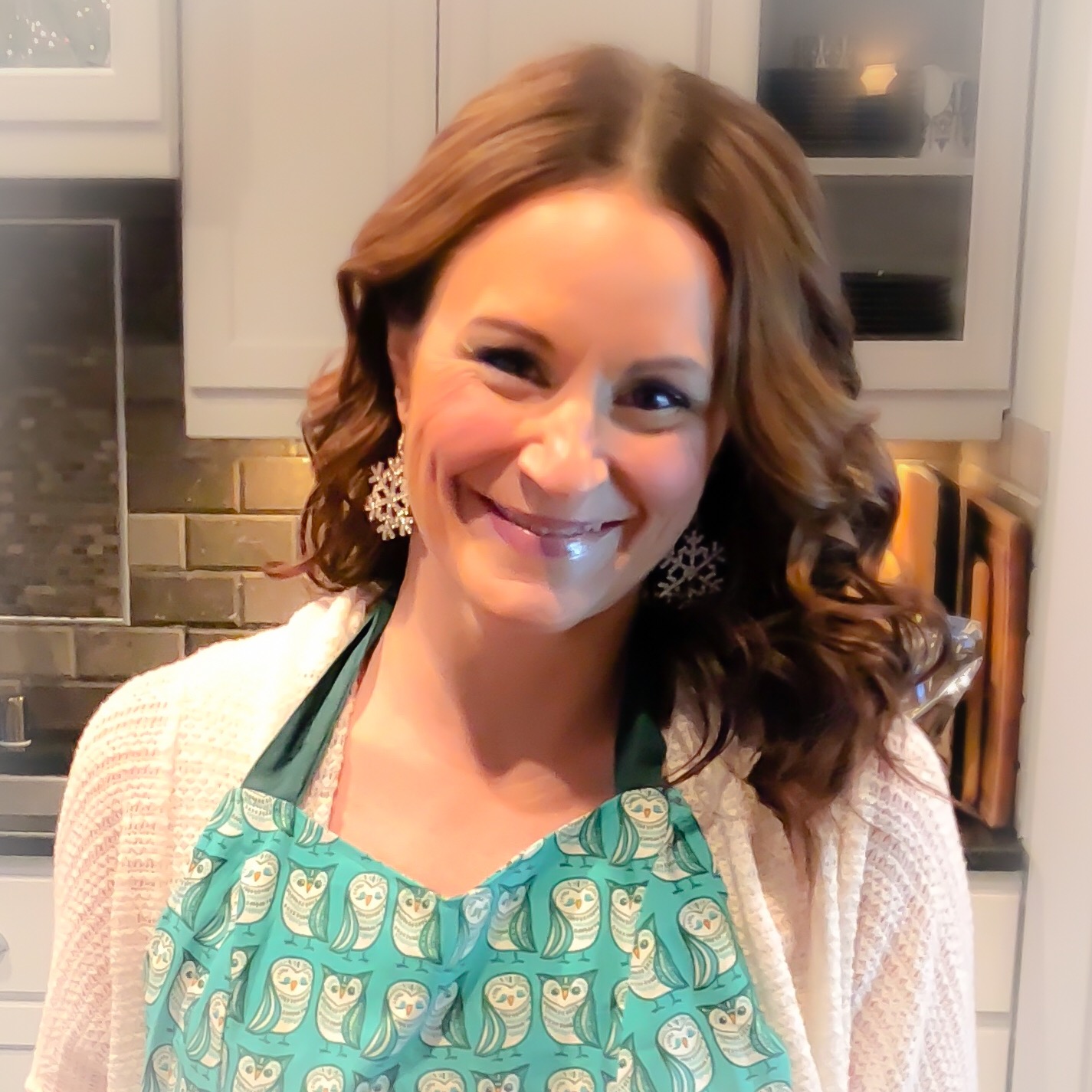
Compartmentalizing areas of your life is not uncommon, whether to deal with a tragic loss, unhappy relationship, or childhood trauma, we all do it to some extent. However, sometimes I think that similar to someone with a split personality, I truly have no choice but to compartmentalize my illness and exist as two distinctly different people. My friends and family know me as Lisa, the person who is almost always smiling, an animated conversationalist, perfectionist (to a fault), cooking fiend, lover of makeup and my Free People wardrobe, and terrible at asking for, or accepting, help.
Only my husband, Joel, knows the other Lisa, the person who doesn’t smile enough anymore (despite his charm and witty sense of humor), who spends the majority of time at home in bed, barely has the stamina to take a shower or wash her hair – let alone put a speck of makeup on, lives in Tommie Copper compression wear, watches way too many cheesy Hallmark movies to pass the time, and couldn’t make it through the day without his help. This is the Lisa that can’t sit or lay down without an ice pack or heating pad, complains about pain and a million other symptoms on an hourly basis, has a supplement and medication schedule that would make a PMP-certified project manager’s head spin, and hasn’t had a good night’s sleep in years.
While this may all sound like I am being disingenuous to the majority of people in my life, the truth is – I AM the first Lisa. This other Lisa, the one that Joel has so compassionately taken care of for all these years, is not me. Invisible illness has stolen my identity in a very unique way, and has made the fight for an answer so much harder. I have been told on several occasions that because I work so diligently at putting myself together on the outside, it has made it much more difficult for people to believe what is going on in the inside. I get it. There are diseases that are much more visible, and I think my own stubbornness and sheer will has prevented me from making this disease more visible. I can think of several situations in the past year that I would have greatly benefited from a wheelchair, but would I get one? No. I have often considered a disabled parking pass, but have I applied for one? No. Considerate friends and family often ask to help me carry things, but do I ever ask them first? No.
The majority of people out there with invisible illness are living this double life because the alternative is no life.
On one hand, nobody wants to hang around someone that constantly looks sick, acts sick, and talks about being sick. So, some level of hiding an illness helps to maintain friendships, a career, and a life outside of being sick. Without the occasional coffees and lunches with friends, trips to the grocery store, or date nights sitting at the local watering hole with Joel, I surely would start to lose my sanity. The lack of human interaction and isolation that chronic illness brings is certainly not good for one’s mental health, especially if that someone is an extrovert by nature.
On the other hand, those who haven’t experienced chronic illness may wonder how someone so sick can go to dinner with friends, hold down a job, or take a vacation. And as for the hair and make-up, I actually didn’t care about that stuff until after my illness started. I often tell people that the days I look the best are often the days I feel the worst. Those small, seemingly vain, outer appearance tools can help a sick person feel just a little more normal. Unfortunately, it’s the “looking healthy” part that unfairly delegitimizes invisible illness for so many.
It’s a true situation of “you’re damned if you do and you’re damned if you don’t”. This is the reason I have rarely posted anything on my personal Facebook account over the past year. I truly believe social media, where I posted images of happy moments in my life, could be one of the reasons I was turned down after applying for just a few months of Short Term Disability insurance last year, a policy I had been paying for my entire 20-year career. I didn’t look sick enough.
I want to be clear that I’m not writing this to throw my own pity party, but instead, I write this to raise awareness that there are so many people you interact with every day that could be living this same double life. Something I learned a long time ago is that everyone has their unique cross to bear in life, whether it be a tough marriage, mental illness, financial instability, or other invisible challenge. Despite trying to keep this in mind, I also catch myself forgetting this important lesson in empathy from time to time.
Even after writing this, and exposing this double life, I will still be that same Lisa when you see me next, the one with the big smile, who talks a lot, and loves her makeup. Although I have certainly been more vocal about my illness over the past several months, I still try to compartmentalize and not completely burden friends and family with a constant barrage of complaining. I now have a blog for that ;).
Something interesting to know about me…for some reason, I seem to attract bad luck (ask my old boss, Mike, who called me the Angel of Death – in jest of course!). The first major stroke of bad luck came on my husband Joel and I’s wedding day, December 29th, 1996. We planned a beautiful winter wedding in the Seattle area during Christmas break our senior year in college. With most of my extended family still living in the Midwest (where I’m from), they were surprised we would plan a winter wedding. Aren’t you worried about snow, they asked? Of course not! It doesn’t snow in Seattle, I say!
Well…I think you can see where this is going. The wedding story might be better suited for another post down the road, but needless to say that nothing about our wedding went as planned due to the largest snowstorm to hit the area in over 50 years. Bad timing for sure.
Yes, my timing always seems, shall we say, interesting. A perfect example of this is the fact that after 20+ years in the tech world, I finally have the job of my dreams. Exactly three days after turning in my resignation, I learned that one of my favorite gourmet food companies was closing. The business was still doing great, but the owner was ready to retire. Here was the best opportunity I had been presented in my career, but maybe not at the best time. I couldn’t say no.
I bought the company and now make and sell the most delicious and unique oils, balsamics, salt, and spice blends. I struggled with the decision, knowing that I had already left my corporate job to spend more time figuring out what the heck was wrong with my body; however, how in the world could I pass this up? After spending the first few months of 2018 lying in bed most of the time, trying to heal, I realized I wasn’t really feeling any better and still hadn’t found a doctor who could help solve my puzzle. This proved to me that stress wasn’t my problem (which so many doctors always tried to chalk it up to). My brain was not being stimulated, and as a Type A person, this was not a good thing.
So, I signed the papers at the end of June, right about the time that we were noticing my blood pressure and pulse being a little off, later to be diagnosed as Hyperadrenergic Postural Orthostatic Tachycardia Syndrome, or Hyper POTS, for short. As a quick side note, this is where both blood pressure and pulse sky-rocket as soon as you are in the upright position My blood pressure was extremely low after laying down for a while (we’re talking 80/50 low) and then crazy high by late afternoon (200/120).
On the one hand, my summer was spent diving into the excitement that was my new business! On the other hand, I was a guinea pig for the blood pressure medication industry. After trying over 10 different BP meds, I’ve sort of settled into a combo of 3; 2 of which I take on a regular basis and 1 that is for emergencies. We’ll see if this is the long term solution, as it has killed my eyesight and caused insane lethargy. For someone who hasn’t taken a nap in over 10 years, I could sleep all day on this stuff!
Bringing it back to the present, after getting my multiple-tick borne disease diagnosis and all of my other abnormal blood test results on December 28th, I have spent the time since obtaining the first round of prescriptions, supplements, and other related Lyme protocol items so that I can begin tackling this enormous challenge. While I really want to start it ASAP, we already had a work-related trip planned to San Francisco. I use the term “work-related” loosely here, as this event we are attending might just end up being my version of heaven – the Fancy Food Show, the largest specialty food and beverage show on the West Coast, where we get to check out all of the latest and greatest food trends, products, packaging, branding, etc.!!
I’ve known about this show since I bought the company, and because I haven’t been able to fly for several months, I figured it was out of the question. But then the crazy idea popped into my head! Why not drive down? So, yep – that’s what we are going to do. We are leaving tomorrow, and in an electric vehicle, to boot…which should make it a very unique and interesting adventure. I’m so excited for this event, but also very nervous. I know I should be starting my new medication protocol right away, or at least resting up before I start. Even without the risk of “herxing” (https://www.lymedisease.org/lymesci-herxing/), I know this kind of trip would land me in bed for several days after. I know I’ve committed to rebuilding our company’s website and launching it by end of month. I know I’m pushing myself too hard once again (nothing new here), but timing is never quite on my side.
Actually, this is a very difficult question to answer and I am still trying to figure it out. All I know is that the last day I felt “normal” was Sunday, July 28th, 2002. On the Monday that followed, everything changed. I remember it like it was yesterday, sitting in my big, bright, and beautiful corner office. I was in my mid-20’s and on top of the world. I had a fulfilling job in tech at one of the nation’s largest companies, had been married to my amazing husband for over 5 years, lived in a cozy and comfortable starter home in a suburb of Seattle, and was about half-way through my MBA program. I was born an old-soul, and was happy to already feel so established at my young age. Little did I know that everything would change in an instant.
At around 1:00 that afternoon, I was sitting at my computer working on one of the myriad of spreadsheets I tackled on a daily basis, when all of a sudden I became extremely dizzy and thought I was going to pass out. At first, I chalked it up to Excel-overload (which can make anyone feel cross-eyed after a while!), or maybe dehydration (had I drank enough water that day?), or possibly just a bit of stress (but who isn’t stressed!?). However, as the minutes ticked on, the feeling worsened. After drinking two large bottles of water, I headed outside for some fresh air. I sat on the curb and took in several deep breaths. It didn’t help. The world was spinning and I had no idea why.
I headed home early to get some rest, hoping that a good night’s sleep would shake off whatever bug I had caught. However, upon rising the next morning and feeling no better than the day before, I decided to stay home. Although not feeling any improvement by Wednesday, I did my best to get through the next couple of days at work even though my symptoms were worsening and were now accompanied by extreme nausea. By Friday, I was spending what would be the first of many nights to come in the ER.
After waiting what seemed like hours, vitals were taken, blood was drawn, and the doctors ran all of the typical ER tests, which came back normal. I was sent home with meclizine (an over the counter motion sickness medicine similar to dramamine) and was told to come back if the spinning hadn’t ceased by Sunday. The spinning hadn’t ceased and I headed back to the ER Sunday evening. A CT scan was performed, which also came back normal, and they sent me on my way with Valium for the vertigo.
Still wondering if stress could be the culprit, I took a week off work. During this time, I went in for a brain MRI and this scan also came back normal. What was happening to me? How did I go from a healthy vibrant 26-year old to someone who couldn’t read, watch TV, or drive because my world wouldn’t stop spinning? Could this really be stress? I was leading a portion of my company’s largest software development project at the time, working 12-14 hour days 6-7 days per week, and working on my Master’s Degree in Business Administration in my “free” time. So, yeah, maybe I was pushing myself a bit too hard, but still didn’t really believe this had changed my health so drastically overnight.
On August 4th, my husband and I had planned to go to a Cheryl Crow/Train concert with my parents at the Gorge in Washington State, an absolutely breath-taking outdoor theater overlooking the Columbia River Gorge. By the time this rolled around, I was noticing changes in my eyesight, like I was looking through a hazy filter with my vision going in and out of focus. With websites such as WebMD now easily accessible, it was difficult not to scare myself with ideas around what this could be. On one hand, I am a researcher at heart and wanted all the information possible to figure this out; however, I had a strong desire to balance the vast amount of information with at least a bit of common sense. I didn’t need doctors thinking I was some crazy hypochondriac. However, not surprisingly, the constant vertigo in combination with vision changes had me worried about a stroke, so it was with much hesitation that I decided to go to the concert.
I will never forget sitting there in the warm sun on the big patch of grass, feeling completely disconnected from what was going on around me. It was as if I was watching my life from a distance in an almost out-of-body experience. I barely heard the music, the crowd was a hazy blur, and I was so weak and lethargic, I slept most of the day. How had my life turned totally upside down in just 1 week?
On August 9th, I returned to work even though I still wasn’t 100%. Thankfully at the time, I didn’t realize that I would never be 100% again. What a daunting thought for someone so young. Over the years, I have come to terms with the reality that I will never feel better than I do today; however, that pill would have been even harder to swallow at 26. I wobbled my way through the next couple of weeks at work, knowing how out of sorts I felt, but hoping others wouldn’t notice. I remember walking down the hallways with the harsh overhead fluorescent lights, which seemed to bother me wherever they were present, making me dizzier with each step. I knew deep down that there was something really really wrong with me, but the doctors at that point chalked it up to a bad case of vertigo. Little did I know that this was just the beginning…
As a side note, ailing health is the last thing you are prepared to handle as a young adult, so I didn’t know what questions to ask, I was not a strong advocate for myself, and I was rarely given the opportunity to review and/or keep a copy of my records. Had I only known how important this was back then!
If you find yourself in an unfortunate health crisis, obtain and retain all copies of your medical records, doctor’s write-ups, lab results, etc. While they may not seem important at the time, the information could be invaluable in the years to come.








 TOTALLY TICKED OFF